AI Help
Center Playbook
AI help centers work when search, content structure, and human escalation are treated as one system. The help center is the foundation. AI is the retrieval and response layer on top of it.
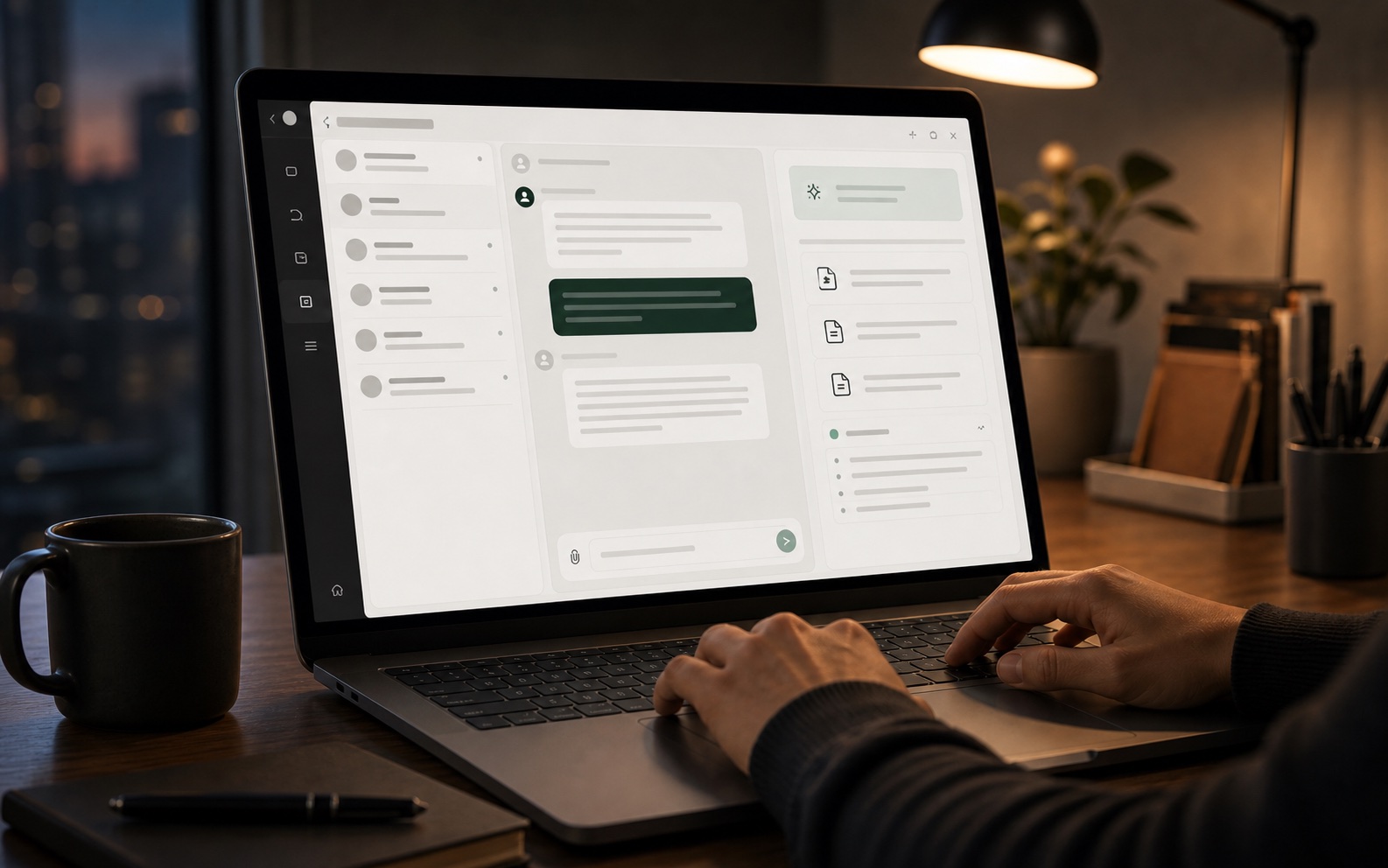
How to pair a help center with AI answers so the bot actually resolves issues instead of inventing new confusion.
This page is structured so the team can scan, decide, and act without reading a generic long-form essay.
After reading, move into related problem pages or comparisons and turn the strongest topics into docs and SEO assets.
01. Good AI starts with good article structure
Write around clear outcomes, repeat the product language customers use, and avoid burying the answer several paragraphs deep. Your AI layer will perform better when the source material is explicit.
02. Treat failed answers as product input
Every unanswered search or weak bot handoff is a signal. Capture those gaps and feed them back into content creation. This is where support ops, docs, and AI strategy meet.
03. Do not force every conversation through the bot
Some requests should route to a human quickly. Billing disputes, outages, and frustrated users are examples where escalation quality matters more than automation volume.