How To
Migrate From Intercom Without Breaking Support
Intercom migrations go badly when teams switch the front-end experience before the underlying docs, routing, and inbox workflow are ready. The cleaner pattern is to migrate in layers and keep the customer-facing flow stable.
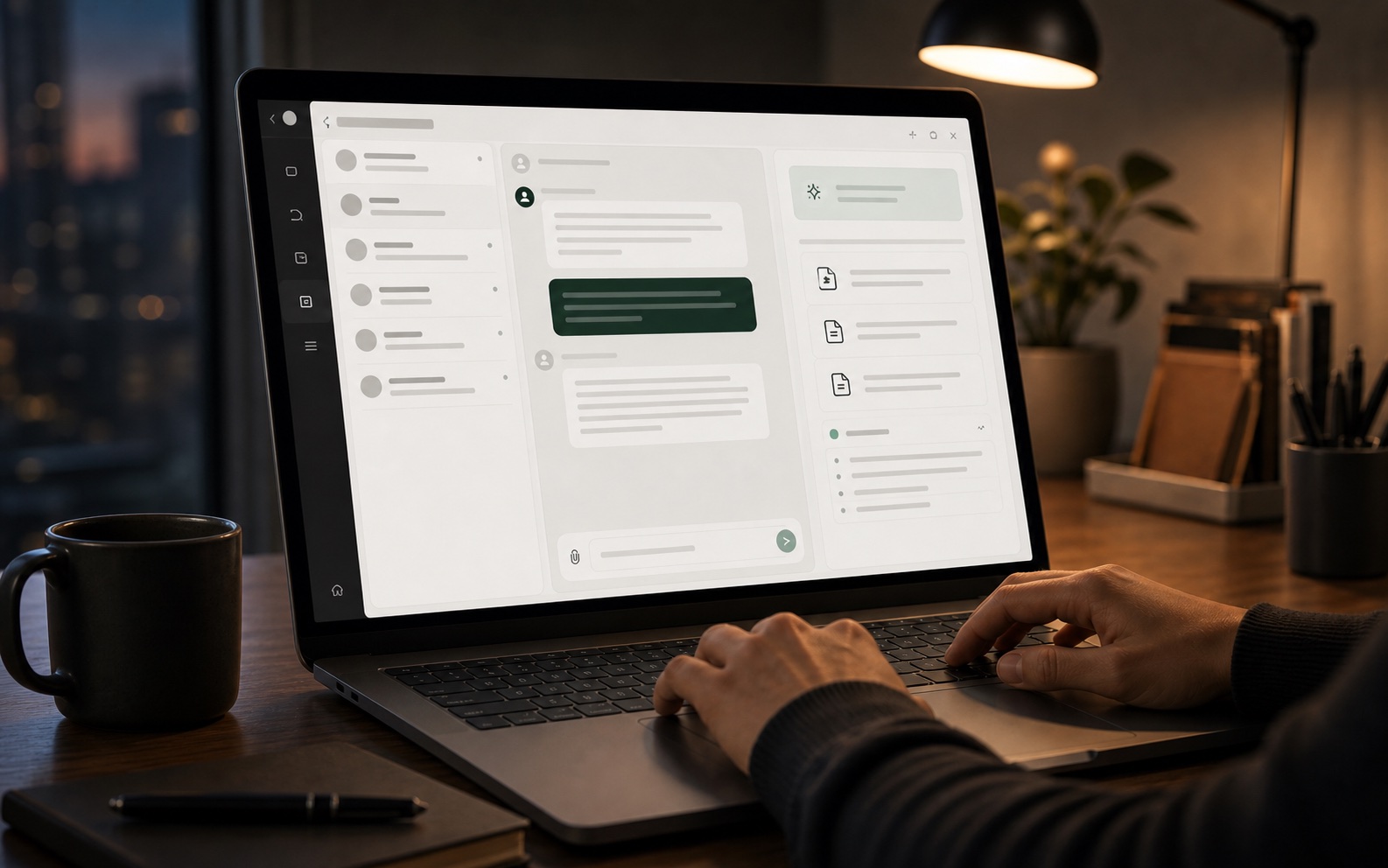
A staged plan for moving away from Intercom while preserving widget continuity, docs, and customer response quality.
This page is structured so the team can scan, decide, and act without reading a generic long-form essay.
After reading, move into related problem pages or comparisons and turn the strongest topics into docs and SEO assets.
01. Start with your support surfaces, not your emotions about pricing
The first step is to inventory the widget, inbox, docs, automations, and AI dependencies. Once you know which customer experiences are critical, you can sequence the migration without creating dead ends.
02. Move your source-of-truth content before you ask AI to take over
If your help content is incomplete or inconsistent, your AI layer will amplify that weakness. Migrate the docs and high-volume answers first, then retrain or remap the answer layer.
03. Keep handoff quality visible during the cutover
The migration is not successful if the bot answers faster but human escalations get worse. Track first response time, resolution quality, and repeated-contact rate during the transition.