How To
Reduce Support Ticket Volume Without Hurting CSAT
The best ticket deflection strategy is not to hide support. It is to make the right answer easy to find and make the human path clear when self-serve is not enough.
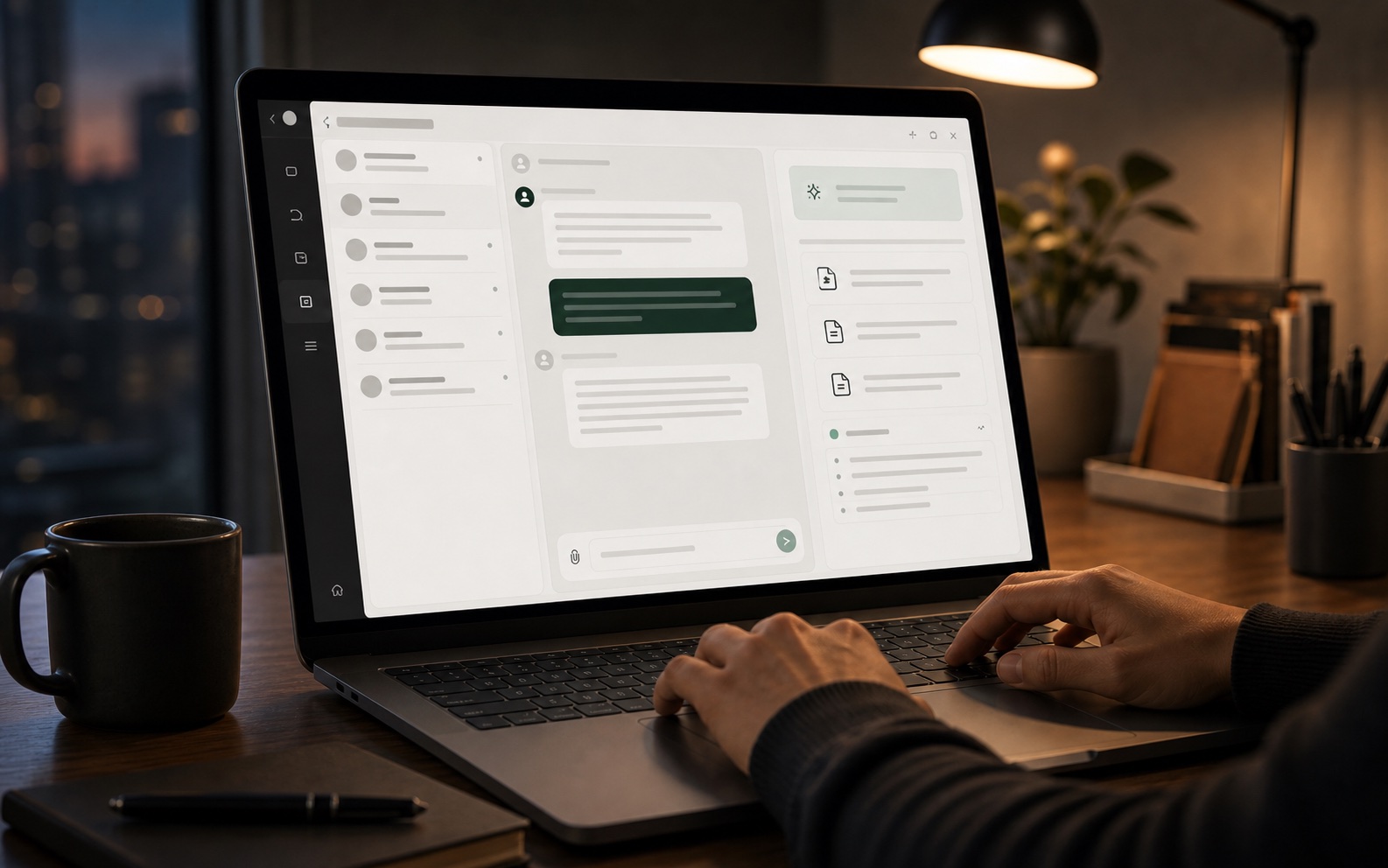
A practical approach to lowering repetitive support load while keeping customers well served.
This page is structured so the team can scan, decide, and act without reading a generic long-form essay.
After reading, move into related problem pages or comparisons and turn the strongest topics into docs and SEO assets.
01. Solve top-volume questions first
Most teams already know their highest-frequency questions. Turn those into strong docs, wire them into the widget, and let AI surface them before an agent has to repeat the same answer again.
02. Measure missing answers, not just ticket count
Raw ticket reduction can hide a worse experience. Also track failed searches, frustrated handoffs, and repeated contacts so you know whether customers are actually getting better help.
03. Deflection works best when support and docs share a roadmap
Content gaps, product issues, and queue spikes are usually connected. Teams that treat docs and support as one operation improve faster.