Public Vs
Private Help Center
Public help centers reduce repetitive questions and improve discoverability. Private help centers support onboarding, implementation, and account-specific workflows. Most serious support teams need both in one platform.
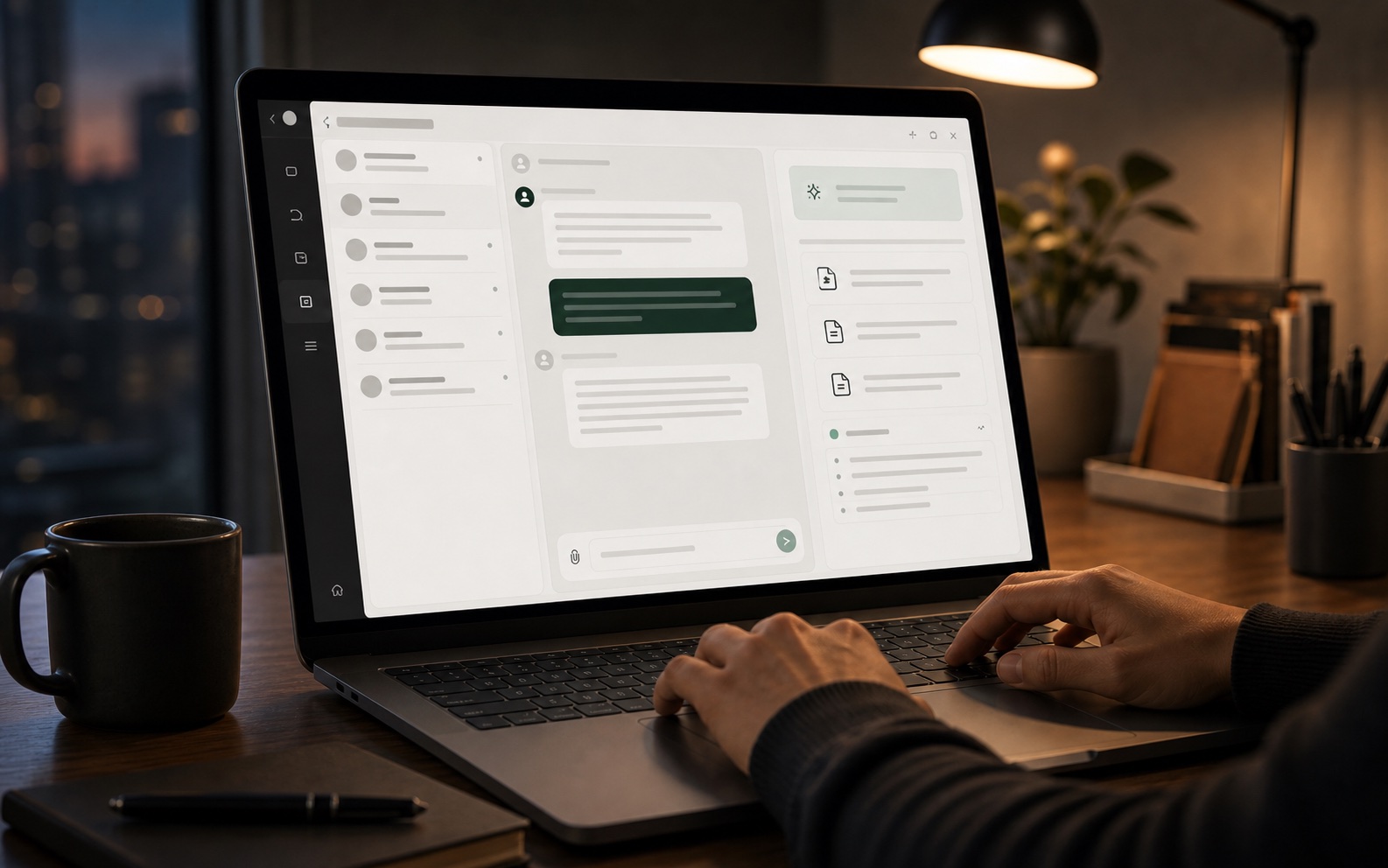
When to publish content publicly, when to gate it, and why most support teams need both.
This page is structured so the team can scan, decide, and act without reading a generic long-form essay.
After reading, move into related problem pages or comparisons and turn the strongest topics into docs and SEO assets.
01. Public docs should answer common pre-ticket questions
Your public help center is where search engines, AI crawlers, and customers discover the basics. This content should be easy to find, easy to trust, and written around repeatable tasks or issues.
02. Private docs protect account-specific knowledge
Implementation details, account workflows, and advanced instructions often belong behind access controls. Keeping them in the same product as the public help center reduces duplication and authoring overhead.
03. The authoring model should stay consistent across both
One structure, one search model, and one support flow is easier to maintain than splitting public and private knowledge across separate tools.