Shared Inbox
Vs Help Desk: Which One Does Your Support Team Need?
Shared inboxes reduce tool sprawl and keep context in one place. Traditional help desks add ticketing rigor. Most small and mid-size teams are better served by a shared inbox with AI assistance and light ticketing.
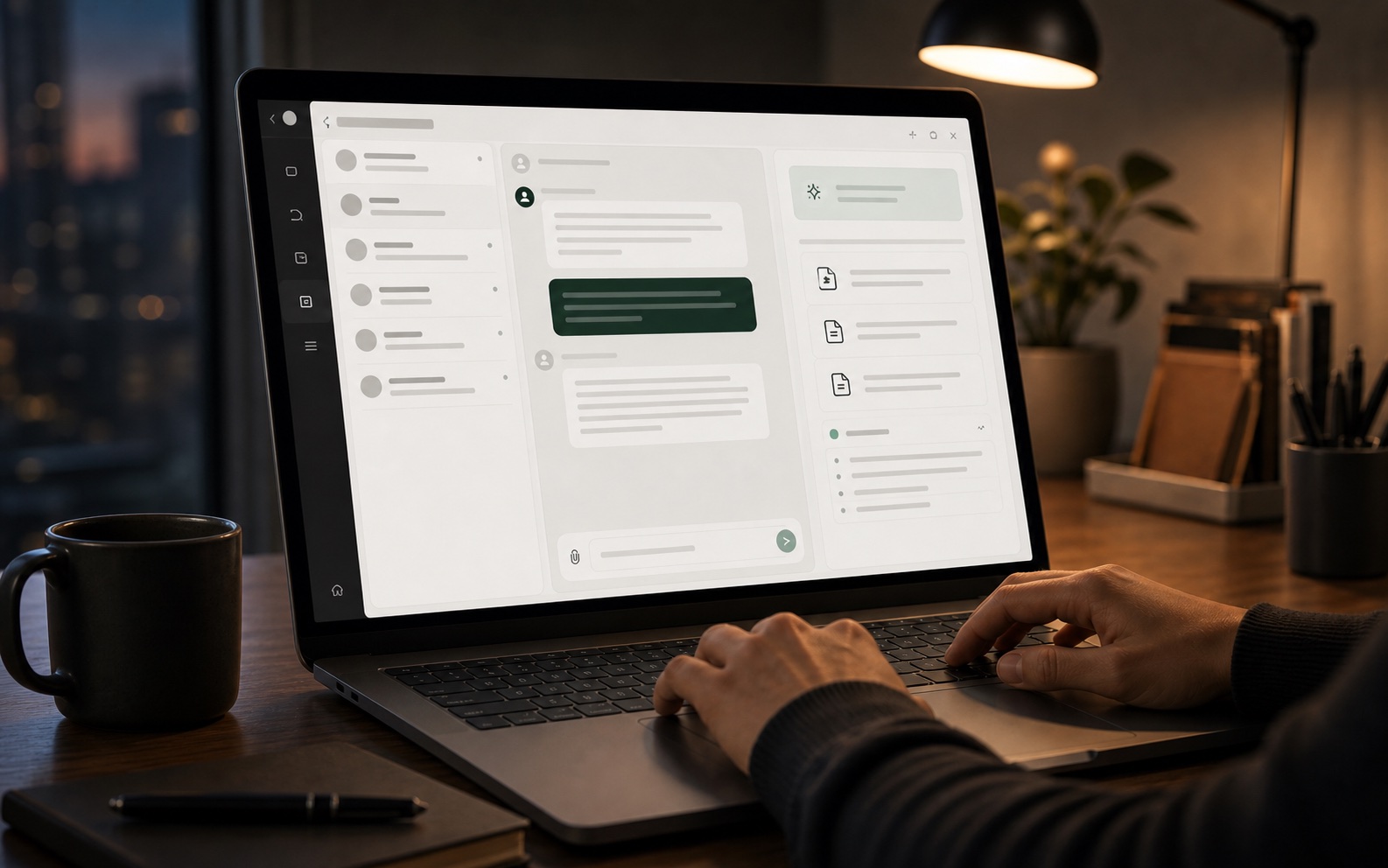
A practical comparison of shared inboxes and traditional help desks — when each works, when to combine them, and how to choose.
This page is structured so the team can scan, decide, and act without reading a generic long-form essay.
After reading, move into related problem pages or comparisons and turn the strongest topics into docs and SEO assets.
01. Shared inboxes work when conversations are the unit of work
If your team resolves issues in threaded conversations rather than formal tickets, a shared inbox keeps context cleaner. Add AI drafting, macros, and canned responses for speed without the ticket overhead.
02. Help desks add value when you need SLA tracking and reporting rigor
Larger teams with formal SLAs, multi-step escalation paths, and compliance requirements benefit from full ticketing. But most teams under 20 agents do not need that complexity on day one.
03. The best setup is usually one platform that does both
Start with a shared inbox and add ticketing features when you need them. Switching between separate tools for chat, email, and tickets creates more fragmentation than it solves.