Support Site
SEO For Customer Support Teams
Support-site SEO is different from generic marketing SEO. The best support pages are specific, problem-led, crawlable, internally linked, and clearly mapped to real customer language.
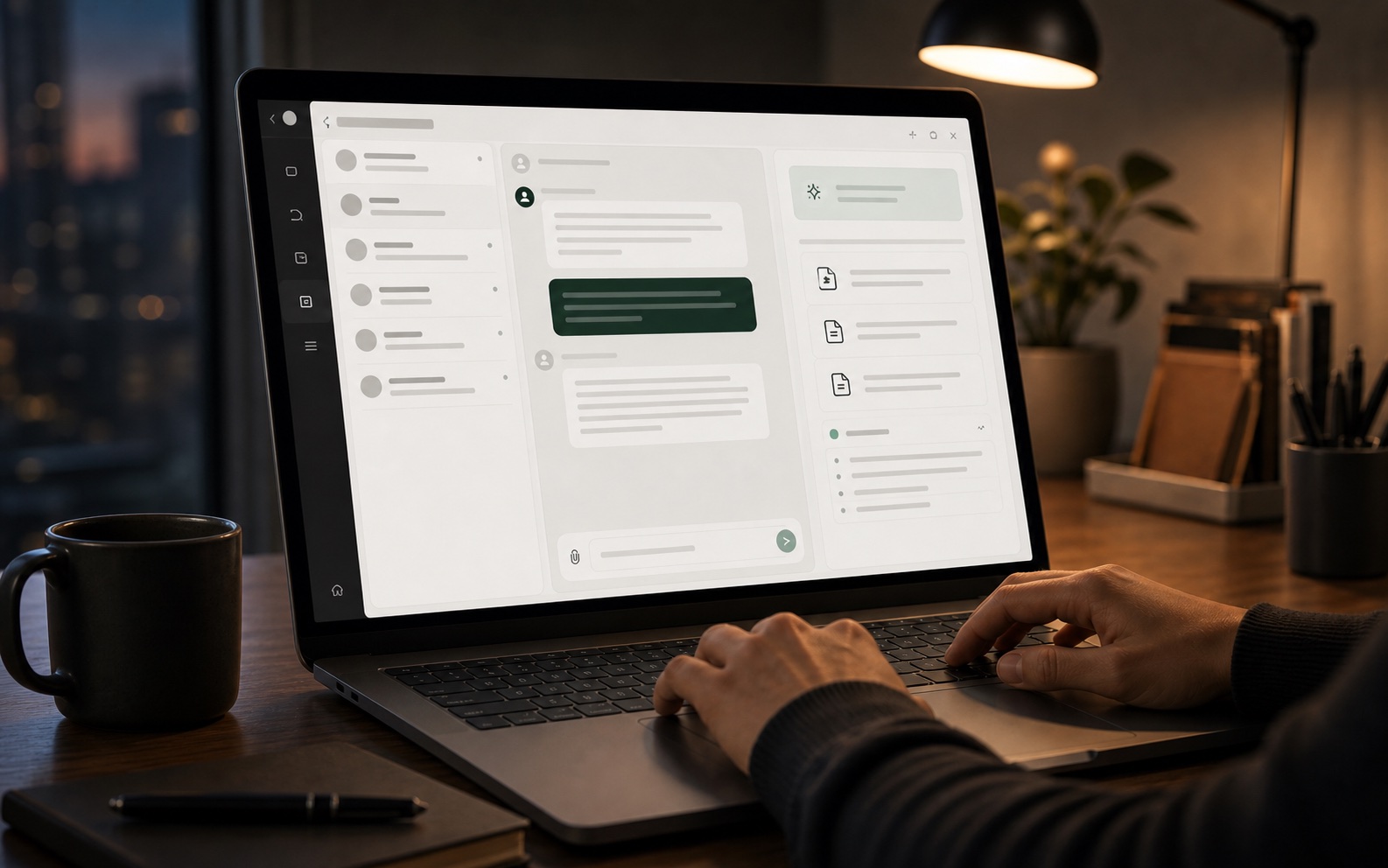
How to make a support site discoverable in search and more legible to AI retrieval systems.
This page is structured so the team can scan, decide, and act without reading a generic long-form essay.
After reading, move into related problem pages or comparisons and turn the strongest topics into docs and SEO assets.
01. Create static pages for the real questions customers ask
Search engines and AI retrieval systems need explicit pages to index. Problem pages, alternative pages, and product-guidance pages are far more effective than burying those topics inside a generic landing page.
02. Keep the information architecture obvious
A support site should surface collections like alternatives, problems, docs, and blog content with strong internal links. This helps both traditional indexing and machine retrieval.
03. Use llms.txt as a supplement, not a substitute
Machine-readable guides can help some retrieval workflows, but the real ranking and citation inputs still come from crawlable HTML, clean canonicals, structured data, and useful content.